
Sì, anche tu puoi fare la differenza nella lotta al cambiamento climatico: ecco perché e come
Tutti insieme possiamo fare la differenza
Visto che stai leggendo questo articolo, probabilmente sei tra la maggioranza delle persone che riconosce il problema e auspica più azione da parte del proprio governo. Trattandosi di un fenomeno globale, ci sentiamo tutti impotenti di fronte al cambiamento climatico, ma è vero esattamente il contrario. Vediamo perché e come.

A dispetto delle recenti disastrose decisioni del governo statunitense, culminate con l' uscita dal trattato globale sul clima, scientificamente ci sono ben pochi dubbi.
Il riscaldamento globale è oggi una delle principali minacce (se non la più grande, insieme alle guerre nucleari e alle pandemie globali) alla vita – così come la conosciamo – su questo pianeta, e purtroppo lo sarà per molti, molti anni a venire. E sta chiaramente indicando noi, le nostre emissioni di gas serra nell'atmosfera. Ma noi siamo parte del sistema: il nostro destino è profondamente interconnesso e dipendente dalle altre specie viventi. Quindi, stiamo chiaramente andando verso la nostra autoestinzione.
Secondo l'ultimo rapporto del Gruppo intergovernativo di esperti sui cambiamenti climatici (IPCC) (2023), il riscaldamento globale causato dall'uomo ha già causato danni sostanziali e perdite sempre più irreversibili negli ecosistemi terrestri, di acqua dolce, criosferici (superficie terrestre dove l'acqua è in forma solida, inclusi ghiaccio, neve e terreno ghiacciato), costieri e oceanici. Il sempre maggiore numero di eventi estremi ha già causato la perdita di centinaia di specie endemiche, con eventi di mortalità di massa registrati sulla terraferma e nell'oceano. Circa metà della popolazione mondiale (4 miliardi di persone) vive in contesti altamente vulnerabili agli effetti del riscaldamento globale. Tali effetti sono già chiaramente osservabili come estremi meteorologici e climatici in ogni regione del mondo. Le comunità vulnerabili che storicamente hanno contribuito meno all'attuale riscaldamento globale sono quelle maggiormente colpite. Pertanto, il riscaldamento globale sta anche esacerbando le vulnerabilità sociali e le disparità tra le persone in tutto il mondo.
Le persone riconoscono la minaccia
Secondo il più grande sondaggio mondiale sui cambiamenti climatici (Peoples' Climate Vote 2024), che statisticamente rappresenta l'87% della popolazione mondiale, il cambiamento climatico è al centro dell'attenzione delle persone in tutto il mondo. Oltre 73.000 persone che parlano 87 lingue diverse in 77 paesi hanno partecipato al sondaggio, condotto per il Programma delle Nazioni Unite per lo Sviluppo (UNDP) dall'Università di Oxford nel Regno Unito e da GeoPoll, leader mondiale nei sondaggi a distanza.
Sorprendentemente, quasi due terzi delle persone (63%) inizia a considerare l'impatto del cambiamento climatico nel prendere decisioni chiave per la propria vita, come dove andare ad abitare, lavorare, o cosa acquistare. Un terzo delle persone (33%) afferma che il cambiamento climatico sta già influenzando notevolmente le proprie scelte di vita. Le persone vorrebbero uno sforzo globale nella risposta alla crisi, e ben l'89% desidererebbe vedere maggiore impegno da parte del proprio governo, anche mettendo da parte le differenze geopolitiche, come quelle relative al commercio e alla sicurezza, per lavorare su azioni concrete contro il cambiamento climatico.
Quindi, cosa stanno facendo i governi?
Per una rapida panoramica, possiamo ricorrere al Climate Change Performance Index (CCPI), elaborato dagli esperti di un consorzio composto da Germanwatch, NewClimate Institute e Climate Action Network International. Il CCPI utilizza un quadro standardizzato per confrontare le azioni di "mitigazione del cambiamento climatico" intraprese da 63 Paesi e dell'UE, che insieme rappresentano oltre il 90% delle emissioni globali di gas serra. Le azioni sono valutate all'interno di quattro categorie: emissioni di gas serra, energie rinnovabili, uso dell'energia e politiche climatiche.
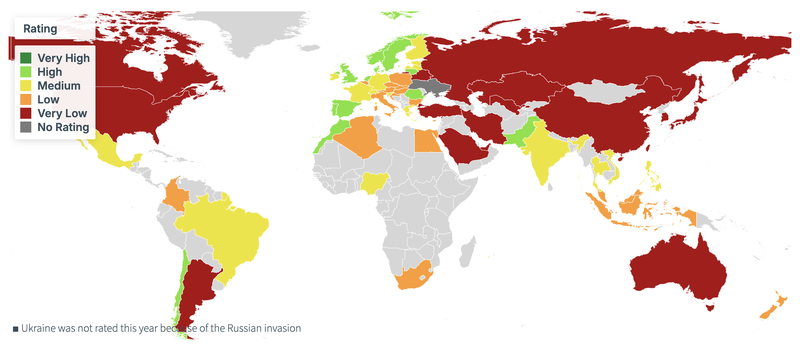
Secondo la più recente valutazione CCPI (2026):
- La Danimarca si distingue chiaramente come uno dei paesi dal migliore profilo (punteggio alto); tuttavia nessun paese è sufficientemente forte in tutte le categorie da raggiungere un punteggio complessivo molto alto;
- Il Regno Unito (6°) è l'unico paese del G20 ad aver ottenuto i risultati migliori nel CCPI 2026. Il G20 ha una responsabilità particolare nella mitigazione del clima, poiché i suoi membri rappresentano oltre il 75% delle emissioni di gas serra a livello mondiale;
- La Russia (64°), gli Stati Uniti (65°) e l'Arabia Saudita (66°) sono ancora i paesi con il peggiore indice del G20, ricevendo un punteggio complessivo molto basso;
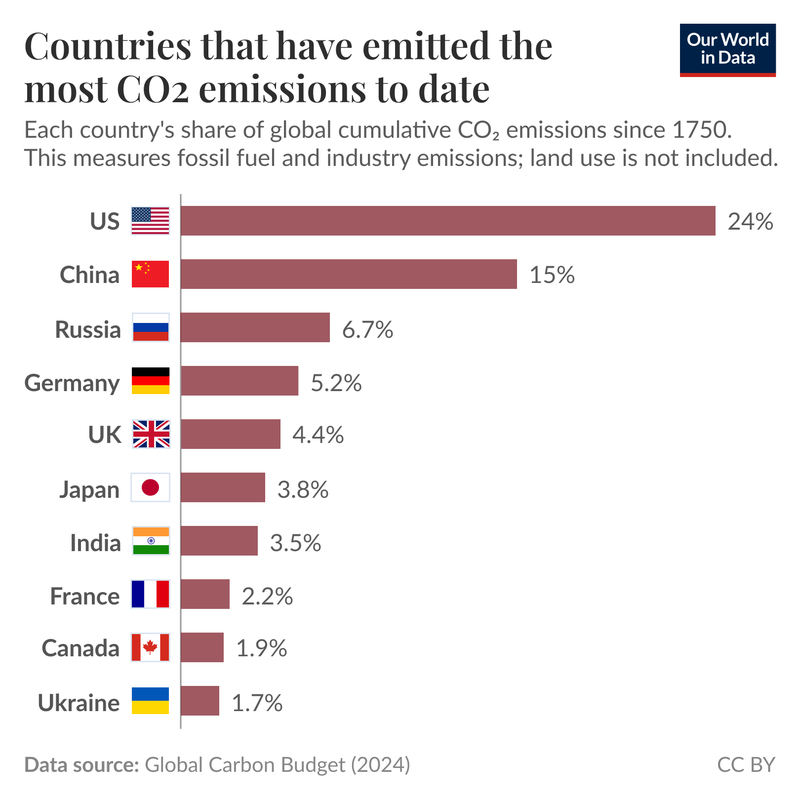
Dobbiamo anche tenere presente che gli Stati Uniti, seguiti da Cina, Russia, Germania, Regno Unito, Giappone, India, Francia, Canada e Ucraina sono storicamente i paesi che hanno contribuito maggiormente alle emissioni di anidride carbonica, come mostrato nel grafico seguente, estratto da Our World in Data .
C'è qualcosa che possiamo fare individualmente?
Sì, certo! Il cambiamento climatico è un fenomeno globale, che richiede interventi globali e coordinati. Tuttavia, c'è molto che possiamo fare individualmente, nella nostra vita quotidiana. Le nostre scelte sono davvero importanti: d'altra parte, il comportamento collettivo emerge sempre dalle azioni di ogni singolo individuo.
Modifica la tua dieta
Secondo uno studio dell'Università di Oxford, la produzione alimentare è responsabile di un quarto (25%) di tutte le emissioni di gas serra, contribuendo al riscaldamento globale. Oggi, circa il 60% dei terreni agricoli mondiali è utilizzato per il pascolo del bestiame e in molti paesi le persone consumano più cibo di origine animale di quanto sia salutare, escludendo naturalmente le scelte di natura etica. Nel complesso, il consumo di carne bianca o rossa (derivata da maiale e agnello) ha un impatto ambientale inferiore rispetto al consumo di carne rossa proveniente da manzo o altri ruminanti. Le diete ricche di vegetali possono aiutare a ridurre le malattie croniche, come malattie cardiache, ictus, diabete e cancro . Quindi, consumate più pasti a base vegetale: il vostro corpo e il pianeta vi ringrazieranno.
Esiste un utile calcolatore realizzato dalla BBC che puoi utilizzare per valutare l'impronta di gas ad effetto serra della tua dieta.
Non sprecare il cibo
Un terzo di tutto il cibo prodotto viene perso o sprecato. Secondo il Food Waste Index Report 2024 dell'UNEP, le persone nel mondo sprecano 1 miliardo di tonnellate di cibo ogni anno, che rappresenta circa l'8-10% delle emissioni globali di gas serra. Evita gli sprechi acquistando solo ciò di cui hai bisogno. Sfrutta ogni parte commestibile degli alimenti che acquisti. Misura le dimensioni delle porzioni di riso e di altri alimenti di base prima di cucinarli, conserva correttamente il cibo (usa il congelatore se ne hai uno), sii creativo con gli avanzi, condividi gli avanzi con amici e vicini e contribuisci a un programma locale di condivisione del cibo. Crea del compost dagli avanzi non commestibili e usalo per fertilizzare il tuo giardino. Il compostaggio è una delle migliori opzioni per gestire i rifiuti organici riducendo al contempo l'impatto ambientale.
Acquista prodotti locali e sostenibili
Per ridurre l'impronta di carbonio dei tuoi alimenti, acquista prodotti locali e di stagione. Aiuterai le piccole imprese e le aziende agricole della tua zona e ridurrai le emissioni di combustibili fossili associate al trasporto e alla conservazione a catena del freddo. L'agricoltura sostenibile consuma fino al 56% di energia in meno, crea il 64% di emissioni in meno e consente livelli di biodiversità maggiori rispetto all'agricoltura convenzionale. Fai un ulteriore passo avanti e prova a coltivare frutta, verdura ed erbe aromatiche. Puoi piantarle in un giardino, su un balcone o persino sul davanzale di una finestra. Crea un orto comunitario nel tuo quartiere per coinvolgere altre persone.
I beni sostenibili non causano danni sociali, economici o ambientali durante tutto il loro ciclo di vita, dall'estrazione delle materie prime allo smaltimento. Acquistarli contribuisce a proteggere gli alberi. Ad esempio, i produttori progettano mobili sostenibili che possono essere riutilizzati anche dopo decenni. Invece di trasformarsi rapidamente in rifiuti, è possibile smontarli e riutilizzarli. Questo riduce la domanda di legno grezzo e scoraggia il disboscamento illegale. I mobili sostenibili non solo proteggono gli alberi, ma fanno anche risparmiare molto denaro a chi li utilizza. Invece di buttare via i vecchi mobili, è possibile modificarli a prezzi più convenienti.
Si consiglia di acquistare solo prodotti certificati FSC (Forest Stewardship Council), poiché FSC è di gran lunga il miglior standard globale nella gestione forestale.
Limita il tuo consumo di energia
Se possibile, passa a un fornitore di energia a zero emissioni di carbonio o rinnovabile. Installa pannelli solari sul tetto. Ove possibile, possiamo passare a fonti di energia rinnovabili (come l'energia solare ed eolica) per alimentare le nostre case e i nostri edifici, emettendo così molti meno gas che intrappolano il calore nell'atmosfera. Sii più efficiente: abbassa il riscaldamento di uno o due gradi, se possibile. Spegni elettrodomestici e luci quando non li usi e, meglio ancora, acquista i prodotti più efficienti fin dall'inizio (suggerimento: questo ti farà risparmiare parecchio in tutto il ciclo di vita!). Isola il sottotetto o il tetto: sarai più caldo d'inverno, più fresco d'estate e risparmierai anche un po' di soldi. Migliorare l'isolamento e le finestre di un edificio può eliminare del tutto la necessità di un sistema di riscaldamento e raffreddamento, trasformando quello che sembra un costo iniziale aggiuntivo in un risparmio netto a lungo termine.
Trasforma la tua mobilità
I trasporti sono responsabili di circa un quarto delle emissioni totali di gas serra e in tutto il mondo molti governi stanno implementando politiche per decarbonizzare gli spostamenti. Puoi iniziare avvantaggiandoti: lascia l'auto a casa e vai a piedi o in bicicletta quando possibile. Come nel caso del cibo, questo stile di vita avrà anche notevoli benefici per la salute. Se le distanze sono troppo lunghe, scegli i mezzi pubblici, preferibilmente elettrici. Se devi guidare, offriti di condividere l'auto con altri in modo da ridurre il numero di auto in circolazione. Se puoi, acquista un'auto elettrica. Riduci il numero di voli che prendi.
Vestiti in modo (climaticamente) intelligente
L'industria della moda è responsabile dell'8-10% delle emissioni globali di carbonio, più di tutti i voli internazionali e del trasporto marittimo messi insieme, e la "fast fashion" ha creato una cultura dell'usa e getta che vede i vestiti finire rapidamente nelle discariche. Ma possiamo cambiare questa situazione. Compra meno vestiti nuovi e indossali più a lungo. Cerca etichette sostenibili e utilizza servizi di noleggio per le occasioni speciali piuttosto che acquistare nuovi capi che verranno indossati una sola volta. Ricicla i vestiti e riparali quando necessario.
Combatti la deforestazione
Ogni anno vengono distrutti circa 12 milioni di ettari di foresta e questa deforestazione, insieme all'agricoltura e ad altri cambiamenti nell'uso del suolo, è responsabile di circa un quarto (25%) delle emissioni globali di gas serra. Le nostre scelte alimentari possono avere un impatto sostanziale, poiché l'agricoltura è responsabile del 90% di tutta la deforestazione tropicale, che ammonta a circa 9 milioni di ettari (22 milioni di acri) di foresta distrutti ogni anno, l'equivalente di oltre 8 milioni di campi da calcio. La maggior parte, circa tre quarti, dell'espansione dell'agricoltura nelle foreste è trainata dalla domanda interna nei paesi produttori, in particolare per carne bovina e cereali, inclusa gran parte della deforestazione nel continente africano. Negli ultimi anni, la domanda di olio di palma è aumentata a livello globale. Viene utilizzato per vari scopi, come in diversi prodotti alimentari e cosmetici. La produzione di olio di palma comporta la deforestazione di vaste aree di foreste pluviali tropicali (principalmente nel sud-est asiatico, come l'Indonesia) ricche di biodiversità. Per combattere la deforestazione, dovresti acquistare solo prodotti sostenibili (ad esempio, con certificazione Roundtable on Sustainable Palm Oil (RSPO)).
In definitiva, il cambiamento climatico sta rendendo le foreste più vitali e vulnerabili. È un circolo vizioso: la deforestazione è la causa del cambiamento climatico, ma ne è anche alimentata. Possiamo tutti contribuire a invertire questa tendenza combattendo la deforestazione attraverso scelte sostenibili e piantando alberi, individualmente o collettivamente. Ad esempio, l' iniziativa Plant-for-the-Planet consente alle persone di sponsorizzare la piantumazione di alberi in tutto il mondo.
Consulta questa guida dell'UNEP per scoprire cos'altro puoi fare nell'ambito del Decennio delle Nazioni Unite per il ripristino degli ecosistemi, un'iniziativa globale volta a fermare il degrado della terra e degli oceani, proteggere la biodiversità e ricostruire gli ecosistemi.
Riduci, riutilizza e ricicla
Ridurre, riutilizzare e riciclare sono le "tre R" della gestione dei rifiuti. L'idea è quella di preservare le risorse riducendo al minimo la quantità complessiva di rifiuti prodotti, riducendo i consumi e promuovendo il riutilizzo e il riciclo dei prodotti. Prendiamo ad esempio la carta. Un foglio di carta stampato su un lato può essere riutilizzato per scrivere sull'altro lato. Questa iniziativa non solo promuoverà il riutilizzo, ma anche la riduzione. È stato stimato che riciclare 1 tonnellata di carta può salvare 17 alberi. Acquista prodotti di carta riciclati o almeno quelli che possono essere riciclati. I prodotti riciclati e riciclabili sono sempre etichettati di conseguenza. Lo stesso vale per altri prodotti in legno o derivati dal legno.
Concentrati sugli investimenti rispettosi del pianeta
Gli individui possono anche stimolare il cambiamento attraverso i propri risparmi e investimenti, scegliendo istituti finanziari che non investono in settori che inquinano. #ActNow Speak Up ha una sezione dedicata al denaro, così come Count Us In. Tutto ciò invia un chiaro segnale al mercato e molti istituti finanziari stanno già offrendo investimenti più etici, consentendo di utilizzare il proprio denaro in maniera etica, per sostenere cause in cui si crede ed evitare quelle in cui non si crede. È possibile chiedere al proprio istituto finanziario informazioni sulle proprie politiche bancarie responsabili e scoprire come si posiziona in ricerche indipendenti. Ove possibile, possiamo controbilanciare le nostre emissioni annuali di anidride carbonica investendo in servizi commerciali che assorbono una quantità uguale di carbonio dall'atmosfera, ad esempio piantando alberi o utilizzando tecniche di cattura e stoccaggio del carbonio.
Il tuo voto conta
Dovresti votare e sostenere i candidati al governo che sono chiaramente consapevoli del problema e sono disposti ad applicare una politica climatica solida, basata su fatti scientifici.
Diffondi la parola
Se ritieni che questo articolo o qualsiasi altra risorsa utile per combattere il cambiamento climatico possa essere utile ad altri, come lo ritengo io, condividilo. Condividere è prendersi cura.
Ultimo ma non meno importante... ricorda che...
Viviamo tutti nello stesso pallido puntino blu. L'immagine in evidenza in questo articolo è una fotografia del nostro pianeta scattata il 14 febbraio 1990 dalla sonda spaziale Voyager 1 da una distanza senza precedenti di oltre 6 miliardi di chilometri. Copre un solo pixel!
Da questo lontano punto di osservazione, la Terra potrebbe non sembrare di particolare interesse. Ma per noi è diverso. Considerate di nuovo quel puntino. È qui. È casa. Siamo noi. Su di esso tutti coloro che amate, tutti coloro che conoscete, tutti coloro di cui avete mai sentito parlare, ogni essere umano che sia mai esistito, hanno vissuto la propria vita. L'insieme delle nostre gioie, sofferenze, migliaia di religioni, ideologie e dottrine economiche sicure di sé, ogni cacciatore e raccoglitore, ogni eroe e codardo, ogni creatore e distruttore di civiltà, ogni re e contadino, ogni giovane coppia innamorata, ogni madre e padre, bambino pieno di speranza, inventore ed esploratore, ogni moralista, ogni politico corrotto, ogni "superstar", ogni "leader supremo", ogni santo e peccatore nella storia della nostra specie ha vissuto lì – su un granello di polvere sospeso in un raggio di sole.
[...]
Non c'è forse dimostrazione migliore della follia delle vanità umane di questa immagine lontana del nostro piccolo mondo. Per me, sottolinea la nostra responsabilità di trattare gli altri con più gentilezza e di preservare e custodire il pallido puntino blu, l'unica casa che abbiamo mai conosciuto.
Carl Sagan, Pallido Puntino Blu: una visione del futuro umano nello spazio
Scopri altri articoli con etichette simili